



สล็อต ต่าง ประเทศ เกมมาแรง ฟีเจอร์แน่น โปรคุ้มทุกวัน
เว็บไซต์ของเรารวม สล็อต ต่าง ประเทศ จากค่ายเกมมาแรงไว้ให้ผู้เล่นได้เลือกสนุกแบบครบในที่เดียว เหมาะกับคนที่อยากเปลี่ยนฟีลจากเกมสล็อตเดิม ๆ มาเจอเกมที่มีภาพสวยกว่า ลูกเล่นเยอะกว่า และธีมที่ดูสดใหม่มากขึ้น เราคัดเกมค่ายนอกที่กำลังได้รับความนิยมมาให้เล่นผ่านมือถือได้ง่าย ไม่ต้องเสียเวลาหาหลายเว็บ ผู้เล่นสามารถเข้ามาเลือกเกมที่ตรงกับสไตล์ตัวเองได้ทันที ทั้งสายชอบเกมสีสันจัดเต็ม สายโบนัส หรือสายที่อยากลุ้นฟีเจอร์พิเศษแบบต่อเนื่อง
ทางเข้า สล็อต ต่าง ประ เทศ ออกแบบหน้าเว็บให้ค้นหาเกมได้ไว เมนูไม่รก และเลือกหมวดสล็อตค่ายนอกได้สะดวก เพื่อให้ผู้เล่นเริ่มสนุกได้แบบไม่สะดุด เกมต่างประเทศหลายเกมมีจุดเด่นเรื่องระบบการเล่นที่หลากหลาย ทั้งฟรีสปิน ตัวคูณ รอบโบนัส และสัญลักษณ์พิเศษที่ช่วยให้ทุกการหมุนดูมีจังหวะมากขึ้น เว็บไซต์ของเราจึงเหมาะกับผู้เล่นที่อยากได้ประสบการณ์สล็อตแบบใหม่ ไม่จำเจ และสามารถเปลี่ยนเกมได้ตามอารมณ์ในแต่ละวัน
เว็บไซต์ของเรายังอัปเดตเกม สล็อตต่างประเทศทุกค่าย อย่างต่อเนื่อง เพื่อให้ผู้เล่นได้เจอเกมใหม่และเกมยอดนิยมอยู่เสมอ ไม่ว่าจะเข้ามาเล่นช่วงไหนก็มีตัวเลือกให้ลองมากกว่าเดิม ทุกเกมถูกจัดให้รองรับการเล่นผ่านมือถือได้ลื่น เข้าเกมไว และใช้งานง่ายสำหรับทั้งมือใหม่และผู้เล่นประจำ เราต้องการให้ทุกคนได้สัมผัสความสนุกของเกมสล็อตต่างประเทศแบบครบ ทั้งภาพ เสียง ฟีเจอร์ และความคุ้มในเว็บเดียว
สล็อต ต่าง ประเทศ เล่นผ่านมือถือได้ไว ฟีเจอร์แน่น ไม่ต้องโหลดแอป
เว็บไซต์ของเราพร้อมให้บริการ สล็อต ต่าง ประเทศ ที่เล่นผ่านมือถือได้ง่ายและไวกว่าเดิม ไม่ต้องโหลดแอปเพิ่มให้เปลืองพื้นที่ ไม่ต้องตั้งค่าหลายขั้นตอน แค่เข้าเว็บก็สามารถเลือกเกมสล็อตค่ายนอกที่ต้องการได้ทันที เราออกแบบหน้าเว็บให้ใช้งานง่าย เมนูชัดเจน โหลดไว และรองรับผู้เล่นทุกระดับ ไม่ว่าจะเป็นมือใหม่ที่อยากลองเกมใหม่ หรือผู้เล่นประจำที่ชอบความเร็วในการเข้าเกม ทุกอย่างถูกจัดให้เริ่มสนุกได้แบบลื่น ๆ ผ่านมือถือเครื่องเดียว
โปรโมชั่น สล็อต ต่าง ประ เทศ ของเราเน้นประสบการณ์ที่ไม่วุ่นวาย เพราะผู้เล่นยุคนี้ต้องการความสะดวกแบบกดแล้วเข้าได้เลย ไม่ต้องรอนานและไม่ต้องสลับหลายหน้าให้เสียจังหวะ ภายในเว็บมีเกมสล็อตต่างประเทศหลายแนวให้เลือก ทั้งเกมภาพสวย เกมฟีเจอร์แน่น เกมโบนัส และเกมฟรีสปินที่ช่วยเพิ่มสีสันระหว่างเล่น เราจัดหมวดเกมให้ค้นหาง่าย เพื่อให้ผู้เล่นเลือกเกมที่เข้ากับอารมณ์ของตัวเองได้ไวขึ้น และเปลี่ยนเกมได้ทันทีเมื่อต้องการความสนุกแบบใหม่
เรายังพัฒนาเว็บให้รองรับการใช้งานบนหน้าจอมือถืออย่างต่อเนื่อง เพื่อให้ทุกการเข้าเล่นดูสบายตา ปุ่มกดใช้งานง่าย และระบบไหลลื่นตั้งแต่หน้าแรกจนถึงหน้าเกม ผู้เล่นสามารถเช็กโปร เลือกเกมสล็อตค่ายนอก และเข้าเล่นได้ในที่เดียวโดยไม่ต้องติดตั้งอะไรเพิ่ม เว็บไซต์ของเราต้องการให้การเล่น เว็บสล็อตต่างประเทศ เป็นเรื่องง่าย เข้าถึงไว และเหมาะกับไลฟ์สไตล์คนยุคใหม่ที่อยากสนุกได้ทุกเวลาแบบไม่สะดุด

เกมสล็อต ต่างประเทศ ฟีเจอร์แน่น ฟรีสปิน โบนัส ตัวคูณ โปรคุ้มทุกวัน
เว็บไซต์ของเรารวม เกมสล็อตต่างประเทศ ที่มาพร้อมฟีเจอร์จัดเต็มให้ผู้เล่นได้สนุกแบบไม่ซ้ำเดิมในทุกการเข้าเล่น เราคัดเกมสล็อตค่ายนอกที่มีระบบเล่นหลากหลาย ทั้งฟรีสปิน โบนัสพิเศษ ตัวคูณ และสัญลักษณ์พิเศษที่ช่วยเพิ่มสีสันให้การหมุนดูมีจังหวะมากขึ้น ผู้เล่นสามารถเลือกเกมที่เข้ากับสไตล์ของตัวเองได้ง่าย ไม่ว่าจะชอบเกมภาพสวย เกมแนวผจญภัย เกมธีมน่ารัก หรือเกมที่มีรอบโบนัสให้ลุ้นต่อเนื่อง เว็บไซต์ของเราจัดทุกอย่างให้เข้าถึงง่ายผ่านมือถือ เล่นได้ไว และไม่ต้องเสียเวลาหาเกมหลายเว็บ เกมสล็อตที่หน้าตาดีเท่านั้น แต่ยังอยากได้เกมที่มีลูกเล่นให้ติดตามระหว่างเล่นด้วย ฟีเจอร์อย่าง Wild, Scatter, Free Spins และ Multiplier ช่วยทำให้แต่ละรอบมีความตื่นเต้นมากขึ้น เพราะผู้เล่นจะได้ลุ้นทั้งรางวัลปกติและรอบพิเศษที่อาจเข้ามาเพิ่มความสนุกได้ตลอดเวลา
สล็อตต่างประเทศยอดนิยม จึงรวมเกมที่มีระบบชัด เล่นเข้าใจง่าย และเหมาะกับทั้งมือใหม่กับสายสล็อตที่อยากเปลี่ยนแนวจากเกมเดิม ๆ อัปเดตเกมสล็อตต่างประเทศที่มีฟีเจอร์ใหม่อยู่เสมอ เพื่อให้ผู้เล่นมีตัวเลือกสดใหม่และไม่รู้สึกจำเจเมื่อกลับมาใช้งานอีกครั้ง ทุกเกมถูกจัดหมวดให้ค้นหาง่าย เลือกเล่นสะดวก และรองรับมือถือแบบลื่นไหล ผู้เล่นสามารถสลับเกมตามอารมณ์ได้ทันที ไม่ว่าจะอยากเล่นเกมโบนัสไว เกมฟรีสปินสนุก หรือเกมที่มีตัวคูณให้ลุ้นหนักขึ้น เราพร้อมมอบประสบการณ์เกมสล็อตค่ายนอกที่ครบ สนุก และตอบโจทย์สายเล่นยุคใหม่ในเว็บเดียว
รวม สล็อต ค่ายนอก พร้อมโปรสล็อตคุ้มทุกวัน และเกมดังระดับสากล
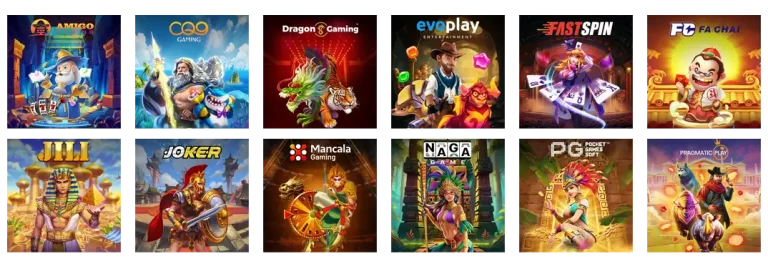
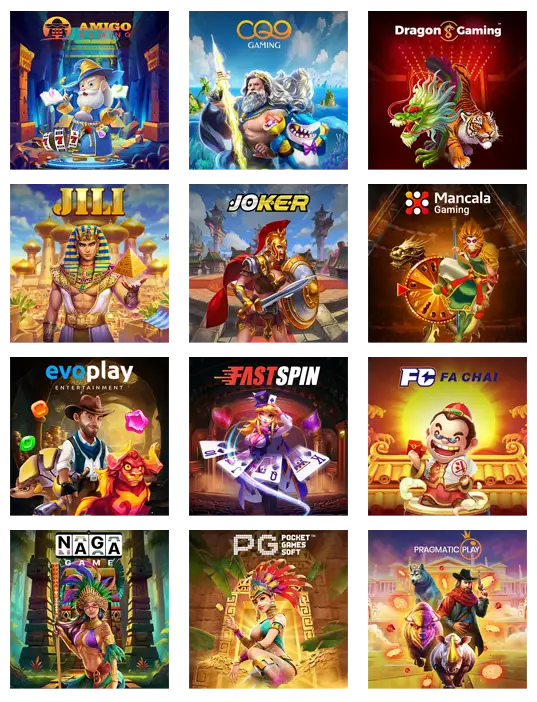
เว็บไซต์ของเรารวม สล็อตค่ายนอก จากผู้ให้บริการยอดนิยมระดับสากลมาไว้ให้ผู้เล่นเลือกสนุกแบบครบในที่เดียว ไม่ว่าจะเป็น PG, Pragmatic, JILI, Joker และค่ายดังอื่น ๆ ที่ขึ้นชื่อเรื่องเกมสล็อตภาพสวย เล่นง่าย และมีฟีเจอร์ให้ลุ้นต่อเนื่อง เราคัดเกมหลายแนวมาให้เหมาะกับผู้เล่นทุกสไตล์ ทั้งเกมที่เน้นโบนัส เกมที่มีฟรีสปิน เกมจังหวะไว และเกมที่มีธีมแปลกใหม่ไม่ซ้ำใคร เพื่อให้ทุกครั้งที่เข้ามาเล่นรู้สึกสดใหม่และไม่จำเจเหมือนเว็บทั่วไป
เว็บสล็อตต่างประเทศ ของเรายังอัปเดตเกมสล็อตจากค่ายต่างประเทศอย่างต่อเนื่อง เพื่อให้ผู้เล่นได้เจอเกมใหม่ เกมฮิต และฟีเจอร์ที่กำลังมาแรงอยู่เสมอ ทุกเกมถูกจัดให้รองรับการใช้งานผ่านมือถือได้ลื่นไหล เล่นได้ทุกเวลา และเหมาะกับทั้งมือใหม่กับสายสล็อตประจำ เราต้องการให้ผู้เล่นเข้ามาแล้วเจอความครบ ทั้งเกมค่ายดังระดับสากล โปรน่าเล่น ระบบใช้งานง่าย และประสบการณ์ที่สนุกแบบครบจบในเว็บเดียว
PG SLOT ค่ายนอกยอดฮิต ภาพสวย เล่นง่าย
เว็บไซต์ของเรารวมเกมจาก PG SLOT ไว้ให้ผู้เล่นที่ชอบเกมสล็อตภาพสวย ธีมสดใหม่ และฟีเจอร์ที่เข้าใจง่ายได้เลือกเล่นแบบครบในที่เดียว สล็อตค่ายนอก นี้เหมาะกับทั้งมือใหม่และสายสล็อตที่อยากได้จังหวะเล่นสนุก ไม่ซับซ้อน และมีลูกเล่นให้ลุ้นต่อเนื่องผ่านมือถือ เราจัดหมวดเกมให้เลือกง่าย เข้าเกมไว และรองรับการเล่นได้ลื่นทุกเวลา พร้อมโปรสล็อตที่ช่วยเพิ่มความคุ้มให้ผู้เล่นเริ่มต้นได้สบายขึ้น ไม่ว่าจะอยากลองเกมใหม่หรือเลือกเกมโปรดที่เข้ากับสไตล์ตัวเอง เว็บไซต์ของเราพร้อมให้ความสนุกแบบค่ายนอกที่เข้าถึงง่ายและน่าเล่นทุกวัน
Pragmatic Play และ JILI เกมค่ายดัง ฟีเจอร์แน่น
เกมสล็อตต่างประเทศ ของเราคัดเกมสล็อตจาก Pragmatic Play และ JILI มาให้ผู้เล่นที่ชอบเกมจังหวะไว ฟีเจอร์แน่น และมีรอบโบนัสให้ลุ้นสนุกแบบต่อเนื่อง ทั้งสองค่ายมีสไตล์เกมที่แตกต่างกัน ทำให้ผู้เล่นสามารถเลือกเปลี่ยนอารมณ์ได้ตามความชอบ ไม่ว่าจะชอบเกมที่มีตัวคูณ ฟรีสปิน หรือระบบโบนัสที่ทำให้ทุกการหมุนดูมีสีสันมากขึ้น เราอัปเดตโปรใหม่อย่างต่อเนื่อง เพื่อให้ผู้เล่นมีตัวเลือกคุ้ม ๆ ระหว่างเข้าเล่น และสามารถใช้โปรให้เข้ากับเกมที่ชอบได้ง่ายขึ้นผ่านระบบมือถือที่ใช้งานลื่น ไม่ต้องเสียเวลาหลายขั้นตอนก่อนเริ่มสนุก
Joker และค่ายสล็อตต่างประเทศ เล่นครบทุกแนว
เว็บไซต์ของเรายังรวมเกมสล็อตจาก Joker และ สล็อตค่ายต่างประเทศ อีกหลายค่ายไว้ให้เลือกครบทุกแนว เหมาะกับผู้เล่นที่อยากได้เกมหลากหลาย ไม่วนอยู่กับสไตล์เดิม ๆ ตลอดเวลา ภายในเว็บมีทั้งเกมภาพสวย เกมเล่นง่าย เกมโบนัส และเกมที่เหมาะกับสายลุ้นฟีเจอร์พิเศษ เราออกแบบให้ผู้เล่นสามารถเข้าเกมผ่านมือถือได้ไว เลือกค่ายที่ต้องการได้สะดวก และติดตามโบนัสหรือโปรเสริมความคุ้มได้ในหน้าเดียว การมีเกมจากหลายค่ายช่วยให้ผู้เล่นเลือกความสนุกได้ตามอารมณ์มากขึ้น พร้อมระบบที่ใช้งานง่ายและตอบโจทย์สายสล็อตยุคใหม่แบบครบจบในเว็บเดียว

ทดลองเล่น สล็อต ค่ายต่างประเทศ ก่อนเลือกเกมที่ใช่สำหรับตัวเอง
เว็บไซต์ของเราพร้อมให้ผู้เล่นเริ่มต้นกับโหมด ทดลองเล่น สล็อตค่ายต่างประเทศ เพื่อให้ลองสัมผัสเกมค่ายนอกได้แบบสบาย ๆ ก่อนเลือกเล่นจริง เหมาะกับคนที่อยากรู้ว่าเกมไหนเข้ากับสไตล์ของตัวเอง โดยไม่ต้องรีบตัดสินใจตั้งแต่แรก เรารวมเกมสล็อตต่างประเทศหลายแนวไว้ให้ทดลองเล่นผ่านมือถือได้ง่าย ทั้งเกมภาพสวย เกมจังหวะไว เกมโบนัส และเกมที่มีฟีเจอร์พิเศษให้ลุ้นต่อเนื่อง ผู้เล่นสามารถเข้าไปดูระบบเกม ปุ่มกด ไลน์จ่าย และภาพรวมของแต่ละเกมได้แบบลื่น ๆ ในเว็บเดียว
เราอยากให้ผู้เล่นเลือกเกมด้วยความมั่นใจมากขึ้น เพราะเกมสล็อตต่างประเทศแต่ละเกมมีจุดเด่นไม่เหมือนกัน บางเกมเน้นรอบฟรีสปิน บางเกมมีตัวคูณให้ลุ้นหนักขึ้น บางเกมออกแบบมาให้เล่นง่ายและเข้าใจไว การทดลองเล่นฟรี ฝาก 1 รับ 100 ช่วยให้ผู้เล่นจับจังหวะของเกมได้ดีขึ้น รู้ว่าเกมไหนเหมาะกับงบ เกมไหนถูกใจ และเกมไหนเล่นแล้วสนุกต่อเนื่องโดยไม่รู้สึกฝืน เว็บไซต์ของเราจึงจัดหมวดเกมให้ค้นหาง่าย เพื่อให้การลองเกมใหม่เป็นเรื่องสะดวกกว่าเดิม
เว็บไซต์ของเรายังอัปเดตเกมทดลองจาก สล็อตต่างประเทศยอดนิยม อยู่เสมอ เพื่อให้ผู้เล่นได้ลองเกมใหม่ ๆ ก่อนใครและไม่พลาดฟีเจอร์ที่กำลังมาแรง ทุกเกมรองรับการเล่นผ่านมือถือ ไม่ต้องโหลดแอปเพิ่ม และเข้าใช้งานได้ทุกเวลา เราต้องการให้ผู้เล่นได้ทดลองก่อน เลือกเกมที่ใช่ แล้วค่อยวางแผนการเล่นในแบบที่เหมาะกับตัวเองมากที่สุด ทำให้การเล่นสล็อตค่ายนอกสนุกขึ้น เข้าใจง่ายขึ้น และคุ้มค่ามากขึ้นในทุกการเข้าใช้งาน

สล็อต ต่างประเทศ โปรใหม่ เกมเยอะ ระบบลื่น ครบจบในเว็บเดียว
เว็บไซต์ของเราพร้อมให้บริการ สล็อต ต่าง ประเทศ พร้อมโปรใหม่ที่อัปเดตให้ผู้เล่นได้ติดตามอย่างต่อเนื่อง เหมาะกับคนที่อยากได้ความสนุกจากเกมค่ายนอกแบบครบ ๆ ในเว็บเดียว ไม่ว่าจะชอบเกมสล็อตภาพสวย เกมฟีเจอร์แน่น เกมโบนัส หรือเกมที่มีฟรีสปินให้ลุ้นระหว่างเล่น เรารวมตัวเลือกหลากหลายไว้ให้ใช้งานง่ายผ่านมือถือ เข้าเกมไว และไม่ต้องเสียเวลาสลับหลายเว็บ ผู้เล่นสามารถเลือกเกมที่ตรงกับสไตล์ของตัวเองได้ทันที พร้อมรับความคุ้มจากโปรที่ออกแบบมาให้เข้าถึงง่ายกว่าเดิม
เว็บไซต์ของเราให้ความสำคัญกับระบบที่ลื่นไหลตั้งแต่หน้าแรกจนถึงหน้าเกม ฝาก30รับ100ล่าสุด เพราะผู้เล่นยุคนี้ต้องการความเร็ว ความง่าย และความต่อเนื่องในการเล่น ทุกหมวดเกมถูกจัดวางให้ค้นหาสะดวก เมนูไม่รก ปุ่มกดชัด และรองรับการใช้งานผ่านมือถือแบบเต็มระบบ ไม่ว่าจะอยากเลือกเกมจาก PG, Pragmatic, JILI, Joker หรือค่ายต่างประเทศอื่น ๆ ก็สามารถเข้าเล่นได้แบบไม่สะดุด เราพร้อมอัปเดตเกมสล็อตและโปรโมชันใหม่อยู่เสมอ เพื่อให้ทุกครั้งที่กลับมาเล่นมีอะไรใหม่ให้ลอง
เราอยากให้ผู้เล่นได้สัมผัสเว็บ สล็อตนอกยอดนิยม ที่ครบทั้งเกม โปร และระบบใช้งานง่ายในที่เดียว ไม่ว่าจะเป็นมือใหม่ที่อยากลองเกมต่างประเทศ หรือผู้เล่นประจำที่มองหาเกมใหม่พร้อมโบนัสคุ้ม ๆ เว็บไซต์ของเราพร้อมตอบโจทย์ด้วยเกมให้เลือกเยอะ โปรที่เข้ากับหลายสไตล์ และระบบที่รองรับการเล่นได้ทุกเวลา ผู้เล่นสามารถเช็กโปร เลือกเกม ทดลองจังหวะ และเริ่มสนุกได้อย่างรวดเร็ว ทำให้การเล่นสล็อตต่างประเทศกลายเป็นประสบการณ์ที่สนุก คุ้ม และใช้งานง่ายกว่าเดิม